Ever wondered why knowing Steam game player counts can transform your gaming experience? For the average US gamer, balancing work, family, and a passion for interactive entertainment, every minute online counts. This comprehensive guide dives deep into how understanding player statistics helps you find vibrant multiplayer communities, discover active co-op titles, and make smart purchasing decisions that truly offer value for money. We address common pain points like joining a dying game, struggling to find teammates, or investing in titles that quickly lose their appeal. Learn to leverage real-time data to optimize your social play, ensure long-term engagement, and stay current with trending games without falling for mere hype. We'll explore how these numbers reflect a game's health, its community size, and whether it aligns with your valuable gaming time, making your entertainment choices more informed and enjoyable.
How Do Seasonal Events Affect Steam Game Player Counts?
Seasonal events, such as Halloween, Christmas, or in-game specific annual celebrations, reliably inject a significant boost into Steam game player counts. These events often introduce limited-time game modes, exclusive cosmetics, or special challenges that entice both active and lapsed players to log back in. For a busy gamer, these are prime opportunities to experience fresh content and find bustling servers for social play, ensuring that even older titles can feel new again. Developers strategically schedule these events to coincide with holiday breaks or key periods of player availability, maximizing engagement. For example, popular titles like "Dead by Daylight" or "Team Fortress 2" frequently see their player numbers surge during their respective seasonal events, sometimes by tens of thousands, offering a vibrant atmosphere for connection and fun.
What Role Do Community Hubs Play in Player Count Engagement?
Steam community hubs and external platforms like Discord play a pivotal role in sustaining and driving player count engagement, far beyond just the in-game experience. These hubs act as vital social centers where players can discuss strategies, share user-generated content, report bugs, and organize games. For many gamers, the community aspect is as important as the gameplay itself. A vibrant community hub, visible through active discussions and shared content, often correlates with a healthy player count, signaling a game that encourages social interaction and long-term commitment. This environment helps retain players even during slower content periods, as the social connection remains strong, ultimately influencing consistent player numbers. For instance, the passionate communities around games like "Factorio" or "Terraria" demonstrate how strong community engagement translates to enduring player counts.
Can Steam Player Counts Predict Game Sales and Discounts?
While not a direct predictor, Steam player counts can offer strong indirect clues about impending game sales and discounts, helping savvy gamers optimize their spending. A significant, sustained dip in a game's player count often prompts developers or publishers to initiate sales or free weekends to re-engage their audience and attract new players. By monitoring these trends on sites like SteamCharts, you can anticipate when a popular game might go on sale. Conversely, games experiencing a player count resurgence due to a major update might offer introductory discounts to capitalize on renewed interest. Furthermore, games with consistently low or declining player numbers that suddenly receive a noticeable bump often indicate a promotion is underway, as these titles use sales as a strategy to inject life back into their communities and gather new players.
How Do Developer Updates Impact Player Count Stability?
Developer updates are arguably the most crucial factor in maintaining and boosting a game's player count stability and longevity. Regular, meaningful updates – whether bug fixes, balance changes, or new content additions – demonstrate ongoing commitment from the development team. This commitment reassures players that their invested time and money are valued, preventing player churn and often attracting new users. For example, games like "No Man's Sky" have famously resurrected their player base through continuous, transformative updates. Without consistent updates, player counts tend to decline as content becomes stale or unresolved issues frustrate players. A game's player count graph often tells a story of its development cycle: spikes after major patches and stable plateaus for games with consistent support. Active development directly translates to a more stable and engaged player community over time, crucial for titles aiming for long-term relevance in 2026.
What Is the Impact of New Game Releases on Existing Game Player Counts?
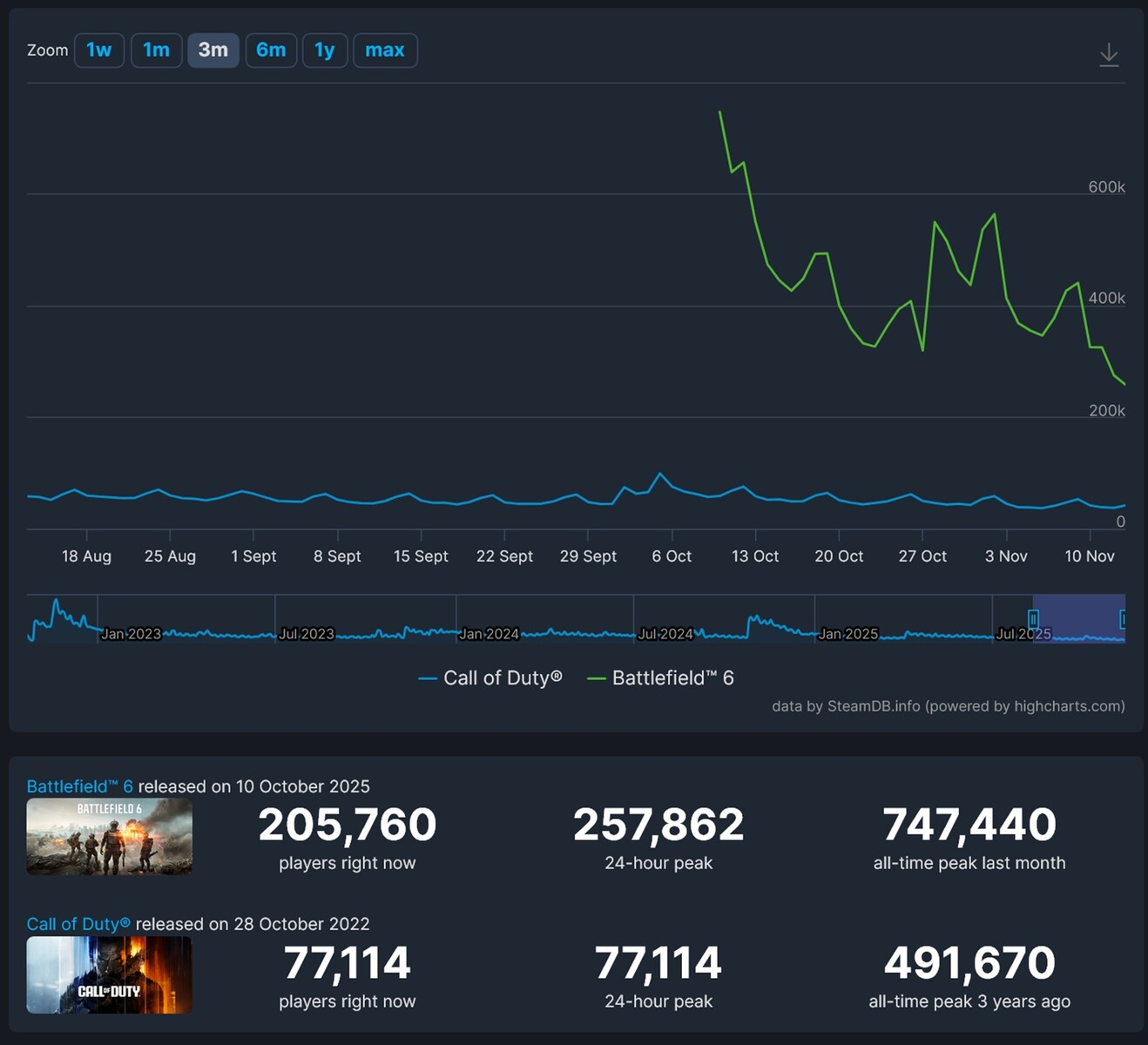
The release of a highly anticipated new game can significantly impact the player counts of existing titles, often causing temporary dips as players migrate to the freshest experiences. This is particularly true for games within the same genre or those competing for similar player demographics. For example, when a major new competitive shooter launches, many players from established titles like "Call of Duty" or "Apex Legends" might temporarily shift their focus to try out the newcomer. This phenomenon is a natural part of the gaming ecosystem, reflecting players' desire to explore new content and stay current. However, established games with strong communities and consistent updates typically see their player numbers rebound once the initial hype for the new release subsides. Monitoring these shifts helps gamers understand the competitive landscape and identify periods when their favorite games might see a temporary reduction in active players, ensuring they temper expectations for finding immediate matches.
How Can I Use Player Counts to Discover Niche or Indie Gems?
While high player counts often signal mainstream success, leveraging player count data can also be an excellent strategy for discovering hidden niche or indie gems that might otherwise go unnoticed. Instead of solely chasing the top-ranked games, look for titles with smaller, yet remarkably stable or even slowly growing, player bases. These games often cultivate dedicated communities that value unique gameplay, innovative mechanics, or a strong narrative over sheer popularity. A consistent player count, even in the hundreds or low thousands, for an indie title indicates strong player retention and a passionate community that cherishes the game's distinct offerings. Checking sites like SteamDB allows you to filter by genre or release date, then sort by average players, helping you unearth these unique experiences. This approach helps you find games that align with specific interests, fostering deeper engagement and often a more intimate social experience than blockbuster titles, perfect for those seeking something truly different and rewarding.
Why Do Player Counts Fluctuate During Weekdays vs. Weekends?
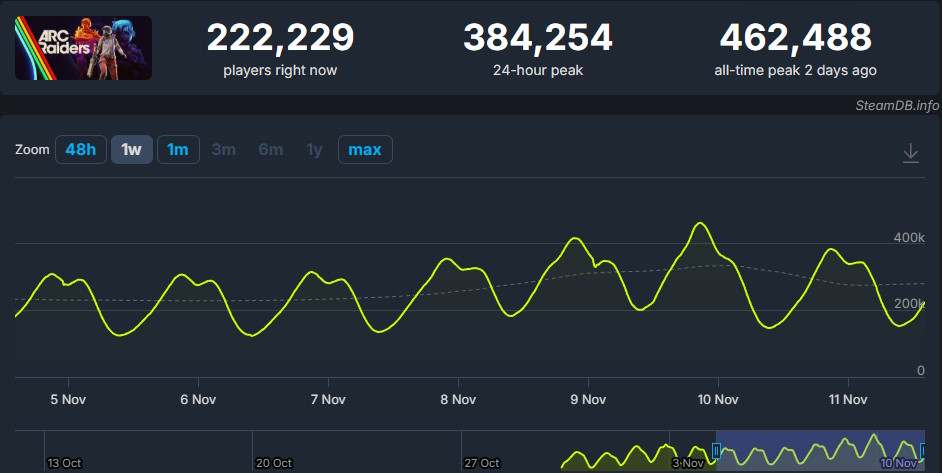
Steam game player counts exhibit predictable fluctuations based on the day of the week, largely influenced by the schedules of the average US gamer balancing work and life. During weekdays, particularly Monday through Friday, player counts tend to be lower during standard working and school hours. You'll typically see a gradual increase in the late afternoon and evening as people finish their responsibilities and look to unwind. Peak weekday activity usually occurs in the evenings. Conversely, weekends, especially Saturdays and Sundays, consistently show significantly higher player counts throughout the day, with peaks often extending for longer periods. This is when more people have extended free time for gaming, social play, and longer sessions. Understanding this rhythm helps you optimize your own gaming schedule, ensuring you jump into multiplayer games when communities are most active, or perhaps opting for single-player experiences during quieter weekday afternoons. This pattern is consistent across most online titles, from casual social games to competitive esports.
As a busy US gamer, perhaps averaging 10+ hours a week squeezing in sessions between work, family, and life's endless demands, your gaming time is precious. You value every moment spent unwinding, building skills, or connecting with friends in a vibrant virtual world. The last thing you want is to dive into a new game, only to find empty servers, a struggling community, or a frustrating lack of active players when you're looking for social play. This common pain point resonates with a significant portion of gamers, especially those around 36 years old, who make up about 60% of the gaming demographic and prioritize value and engagement over fleeting hype. This is precisely why understanding Steam game player counts isn't just a niche statistic for developers; it's a vital tool for you, the player, to make informed decisions.
In 2026, with the gaming landscape more diverse and competitive than ever, knowing how to interpret player data empowers you. Whether you're looking for a new cooperative experience, a competitive challenge, or simply a lively world to explore, reliable player counts are your compass. This comprehensive guide will transform how you approach game discovery and purchasing. We'll show you how to easily check these numbers, what they truly mean, and how to use them to ensure your next gaming adventure is active, engaging, and worth your hard-earned money and limited time. Say goodbye to dead games and hello to thriving communities.
Why are Steam Game Player Counts Important for Busy Gamers?
For the average US gamer balancing a career, family, and other responsibilities, time is often the most valuable commodity. With approximately 87 percent of gamers regularly engaging with their favorite titles, often for 10 or more hours a week, choosing the right game is crucial. Steam game player counts offer a quick, objective snapshot of a game's current vitality and community size, directly addressing common pain points. Imagine finally carving out an hour to play a new multiplayer title, only to find matchmaking queues are endless because no one else is online. This is a frustrating waste of precious gaming time. Player counts help you avoid these scenarios by indicating if a game has a healthy, active player base, essential for multiplayer, co-op, or even just thriving social hubs. They provide an immediate indicator of a game's popularity and ongoing engagement, allowing you to quickly assess if it will offer the dynamic experience you seek, whether that's for relaxation, skill-building, or connecting with friends.
Beyond simply finding opponents, these numbers are critical for ensuring you get value for your money. Many gamers are cautious about investing in a game that might become a 'dead title' within months. By observing player count trends, you can gauge a game's longevity and community support. This insight is particularly relevant for those who prefer social gaming, as trends show that connecting with others in games like the popular "Among Us" or "Palia" continues to be a major draw. For instance, a game maintaining consistent player numbers months after release suggests strong developer support and a dedicated player base, which translates into a more reliable and enjoyable long-term experience for you. Ultimately, player counts are your secret weapon against buyer's remorse and wasted gaming moments, ensuring your time online is always well spent.
How Can I Easily Check Live Steam Game Player Counts?
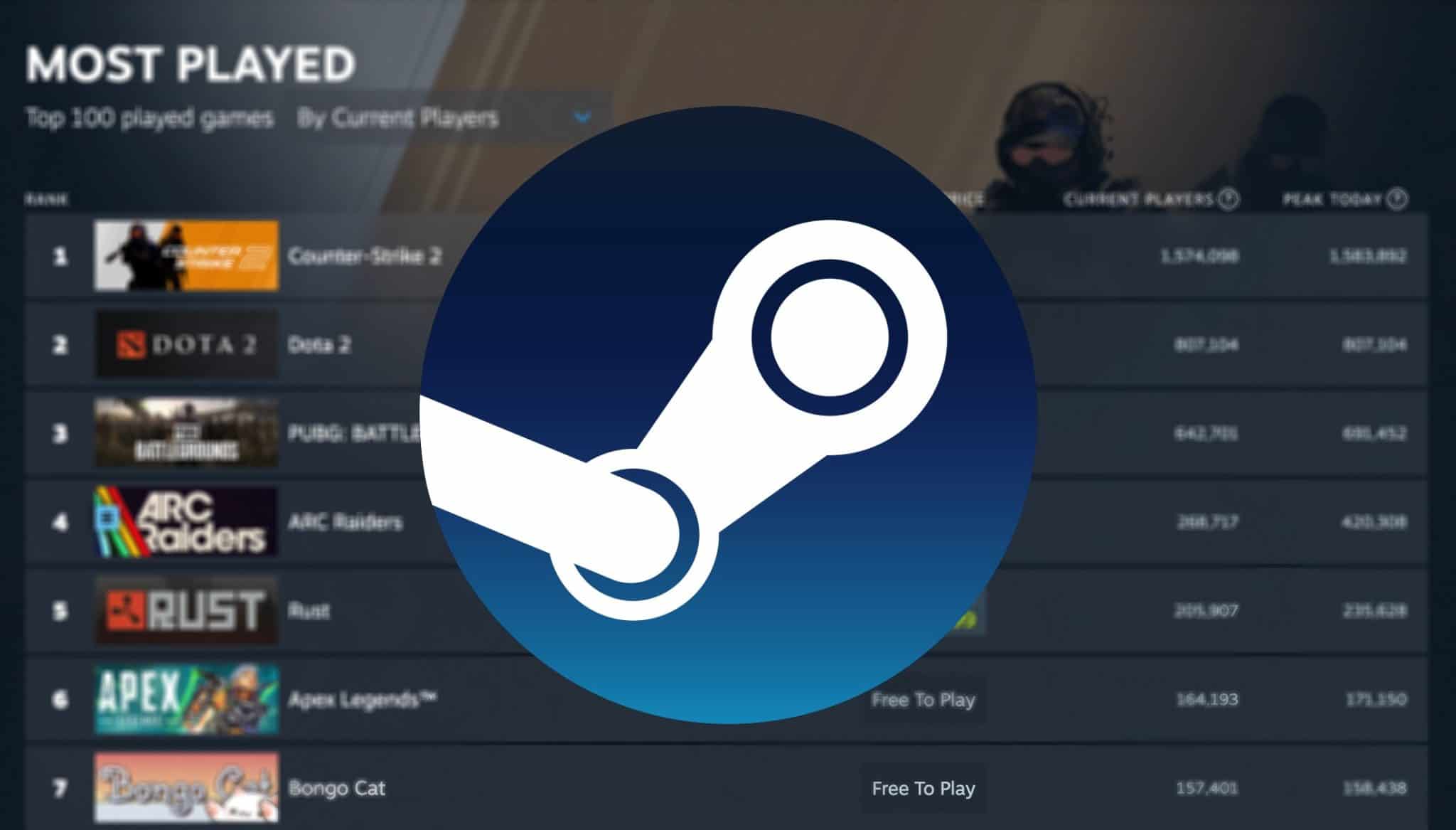
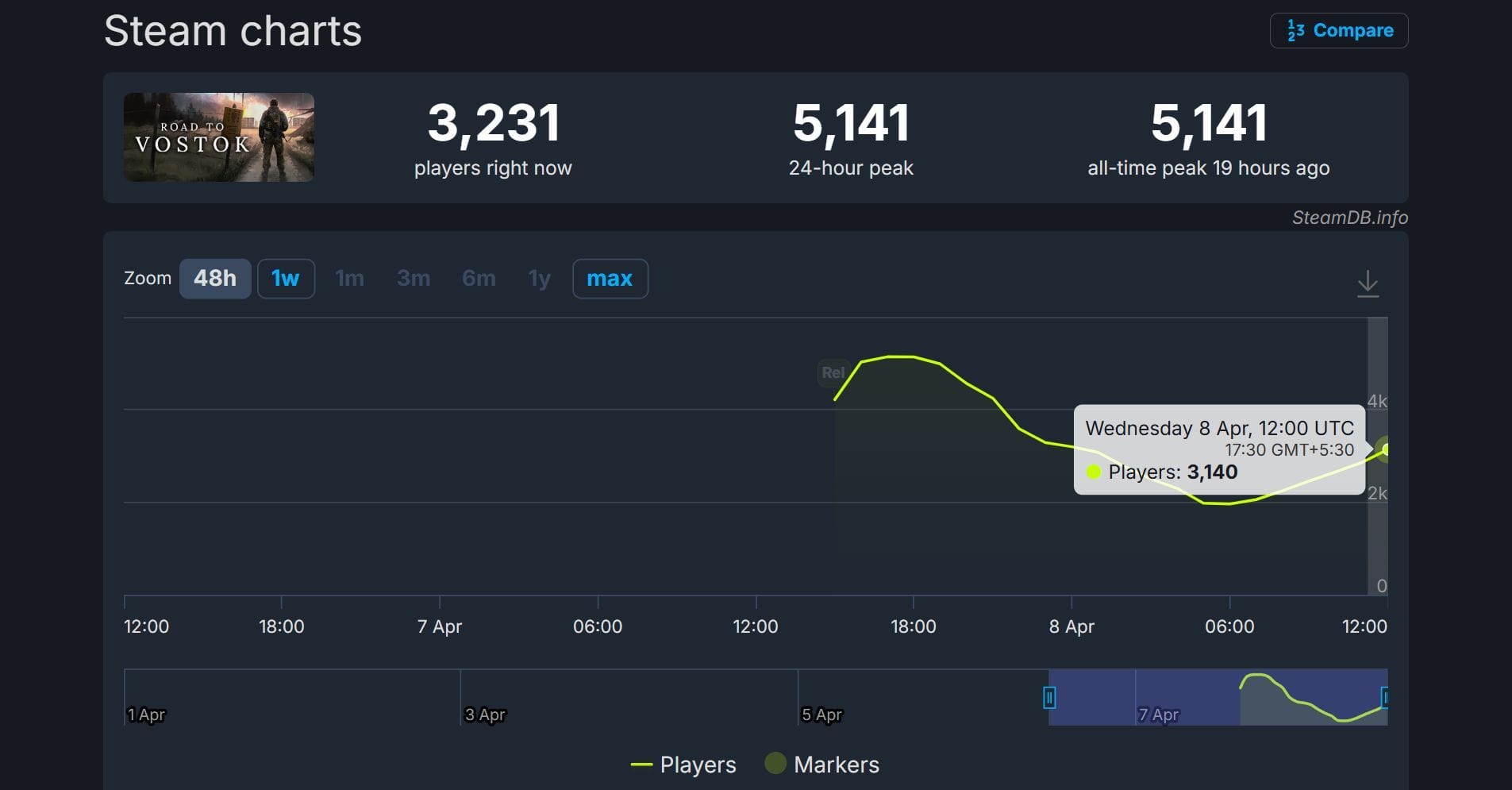
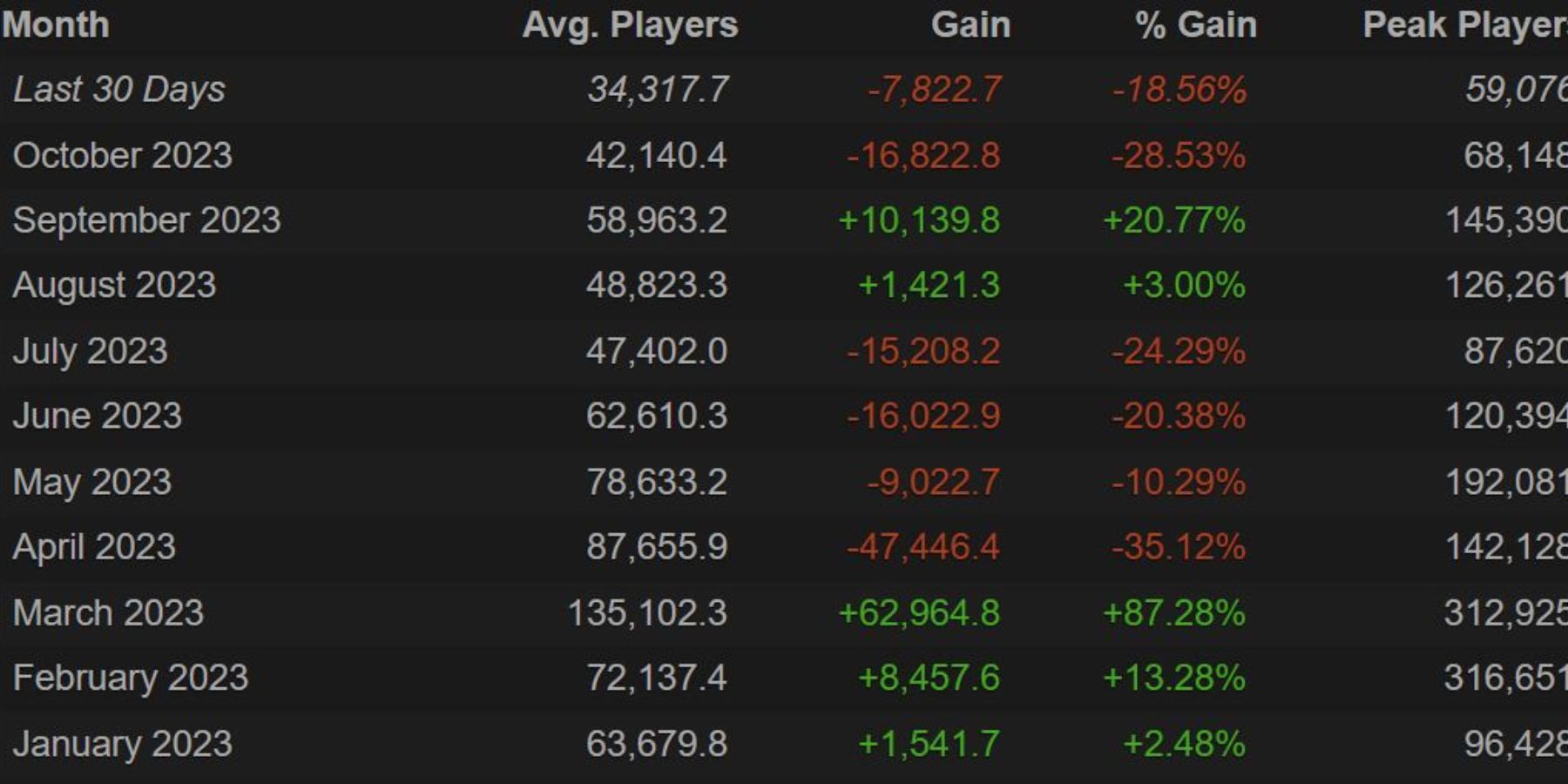
Checking live Steam game player counts is simpler than you might think, and there are several reliable methods to empower your gaming decisions. The most direct way is through Steam itself. If you own a game, you can often see friends currently playing it, giving you an immediate sense of activity. However, for a broader view of any game, dedicated third-party websites offer real-time and historical data. Sites like SteamCharts, SteamDB, and even parts of Steam's own statistics page are invaluable resources. These platforms typically display the current number of players, the 24-hour peak, and sometimes even the all-time peak player count for virtually every game available on Steam. They often present this data in clear, easy-to-read graphs that highlight trends over days, weeks, or months.
To use these tools, simply navigate to one of these websites and search for the specific game you're interested in. For example, a quick search for a game like "Helldivers 2" or "Palworld" on SteamCharts will show you its current player base, helping you understand its live popularity. Many of these sites also offer filters and comparison tools, allowing you to stack up different games or analyze how a title's player count changes after major updates or sales. This real-time access means you can quickly check if your favorite multiplayer game is bustling before you even launch Steam, or if a potential new purchase has enough active players to justify the investment. These resources are designed for gamers like you, providing critical information at a glance to help you make informed choices about where to spend your valuable gaming hours, ensuring you always jump into a lively community.
What Do Different Player Count Metrics (Peak, Current, All-Time) Mean?
Understanding the nuances of Steam player count metrics – current, 24-hour peak, and all-time peak – is key to truly grasping a game's health and popularity. The current player count is the number of users actively playing the game right now. This metric is dynamic and constantly fluctuating, providing a real-time snapshot. It's especially useful if you're planning to jump into a game immediately and want to know if there's enough activity for matchmaking or social interaction. For instance, if a game's current count is low during prime time in your region, it might indicate challenges in finding a quick match, which can be a significant pain point for gamers with limited play windows.
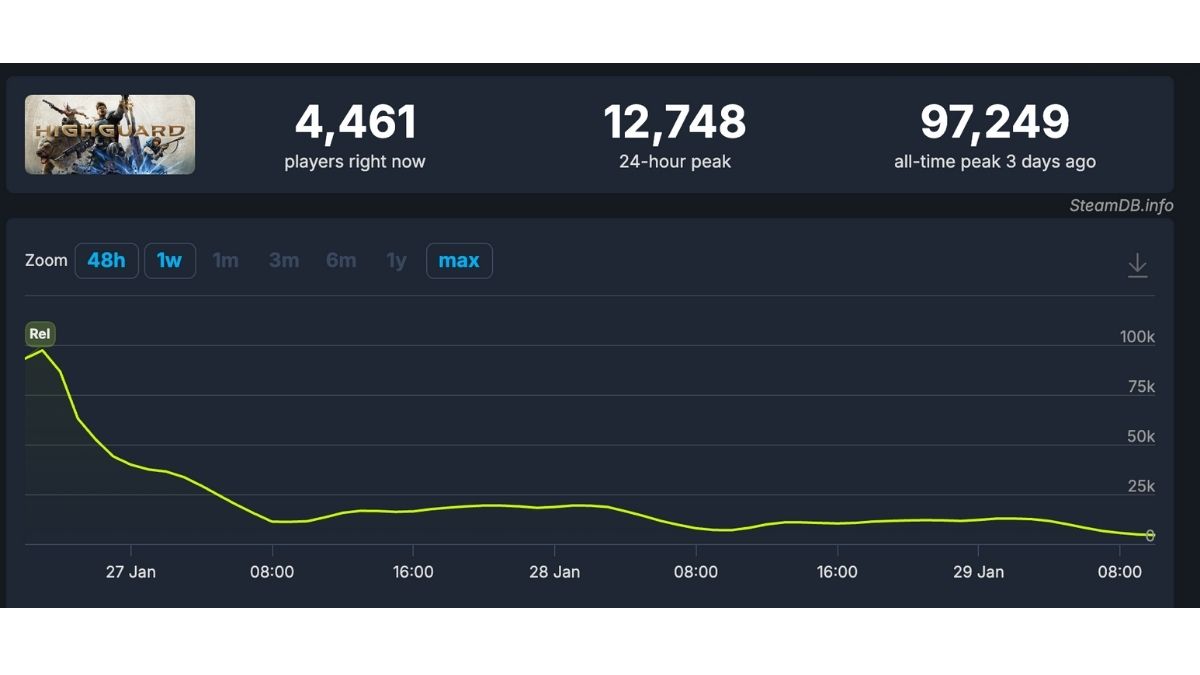
The 24-hour peak represents the highest number of concurrent players a game has had within the last 24 hours. This figure offers a better indication of a game's daily activity rhythm. It helps you see if a game generally hits healthy numbers during certain times, even if the current count happens to be low at the exact moment you check. A consistent 24-hour peak is a strong sign of a stable and engaged player base. Finally, the all-time peak player count reveals the highest number of concurrent players a game has ever achieved. This metric is historical and often reflects initial launch hype, major updates, or significant events like free weekends. While a high all-time peak doesn't guarantee current activity, it demonstrates a game's potential reach and past success. Comparing the current and 24-hour peak to the all-time peak can reveal whether a game has maintained its initial momentum or if its player base has significantly declined, providing crucial context for long-term engagement.
How Do Player Counts Influence My Game Purchase Decisions?
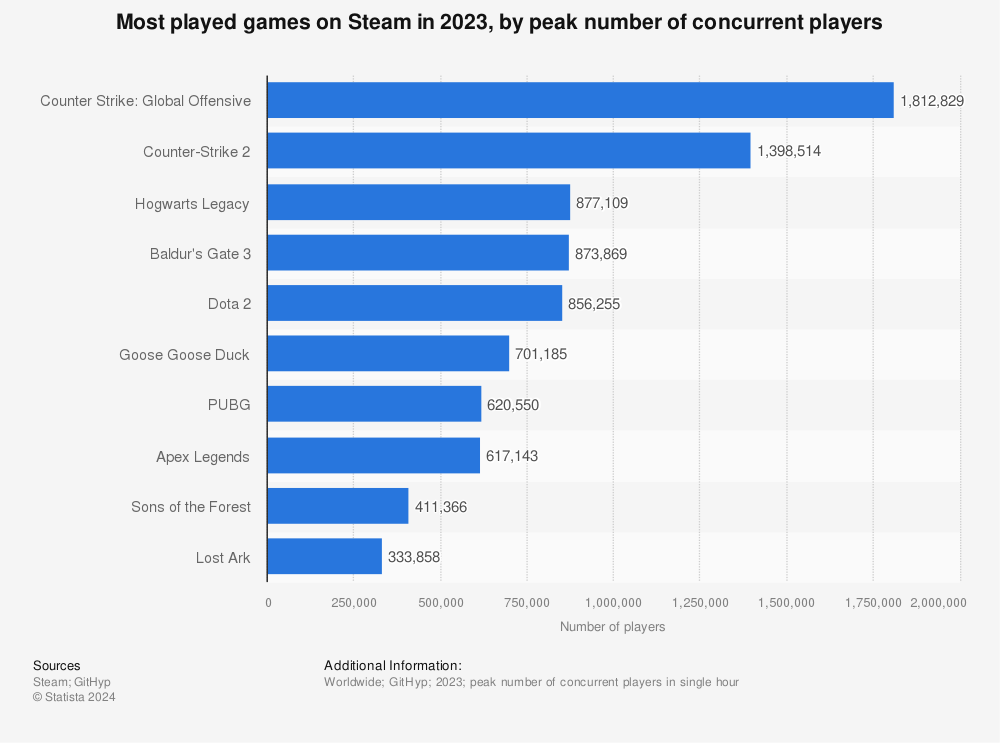
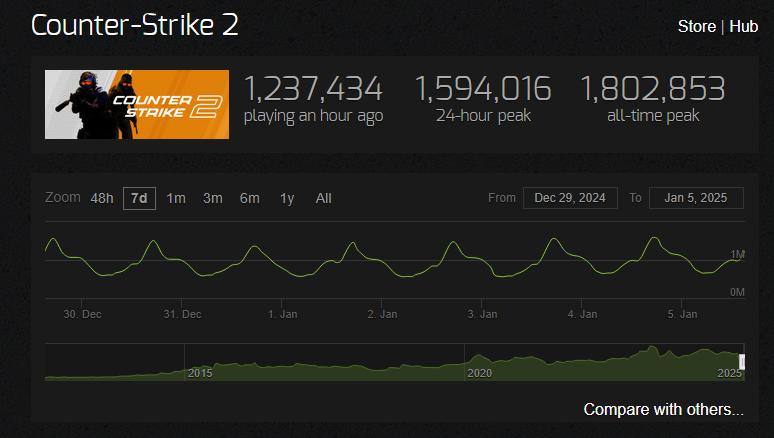
Player counts are a powerful, often overlooked, factor in smart game purchase decisions, especially for budget-conscious gamers around 36 who seek value for money. Before you commit to a new title, particularly a multiplayer-focused one, checking its player base can save you from buyer's remorse. A game with consistently high and stable player counts suggests a thriving community, active developers, and a high likelihood of future content and events. This translates to better long-term value for your investment, as you're less likely to find yourself with a game that feels abandoned or difficult to find matches in after a few months. For instance, observing the continued strong player counts for evergreen titles like "Counter-Strike 2" or "Dota 2" reassures potential players that these games will offer a consistent experience for years to come.
Conversely, a new release with rapidly declining player counts might signal underlying issues such as poor optimization, lack of engaging content, or unmet player expectations, which are critical pain points for players. While launch hype can artificially inflate initial numbers, a sharp drop afterward indicates that the game failed to retain its audience. For gamers who prioritize social play, an active player base is non-negotiable. It ensures you can easily team up with friends, find public matches, or join a guild. Furthermore, understanding player count trends can help you decide when to buy. A game might see a resurgence in players after a major update or a significant sale, making it a better time to jump in for an optimized experience. By integrating player count analysis into your pre-purchase routine, you're not just buying a game; you're investing in an active community and a reliable gaming experience, aligning perfectly with the desire for both fun and value.
Are Higher Player Counts Always Better? When Might Lower Counts Be Ideal?
While often seen as a direct indicator of a game's health, higher player counts aren't always universally better, and sometimes, a lower player count can even be ideal depending on your gaming preferences. For competitive multiplayer games like "Apex Legends" or large-scale MMOs, high player counts are crucial. They ensure fast matchmaking, a diverse pool of opponents, and a lively world. Without a substantial player base, these games simply cannot deliver their intended experience, leading to long queues and a sense of emptiness. For social gamers, a large community means more opportunities to connect, form friendships, and participate in in-game events, which aligns with recent trends in social gaming and cross-play across platforms like PC and mobile.
However, for certain genres or player types, lower player counts can offer distinct advantages. For instance, in niche indie games, survival titles, or specific role-playing experiences, a smaller, more dedicated community can foster a tighter-knit, more personal, and less toxic environment. These games often thrive on quality over quantity, where a passionate core of players creates a unique atmosphere that larger, more anonymous communities might lack. Consider a specialized simulation game or a co-op adventure with a tight group; having fewer players ensures everyone contributes meaningfully and interaction is more focused. Similarly, for story-driven single-player games or those with only optional multiplayer modes, player counts are largely irrelevant to your enjoyment, as your primary experience isn't dependent on others. In these cases, prioritizing gameplay, narrative, and aesthetic appeal over raw player numbers makes perfect sense, proving that "better" is truly subjective to the gamer's specific needs and the game's design.
How Do Player Counts Reflect a Game's Long-Term Health and Community?
Steam game player counts serve as a critical diagnostic tool for assessing a game's long-term health and the vibrancy of its community. A game that maintains consistent or even growing player numbers months or years after its release typically indicates several positive factors. Firstly, it suggests strong post-launch support from developers, including regular updates, bug fixes, and new content that keeps players engaged. This continuous evolution is vital for retaining an audience, especially for gamers who commit 10+ hours weekly and expect their investment to yield lasting entertainment. Secondly, stable player counts signify a positive feedback loop within the community itself; active players attract new ones, fostering a healthy ecosystem where social interaction, skill-sharing, and content creation thrive. This is particularly true for games that embrace cross-platform play and community events, which resonate strongly with the average gamer today.
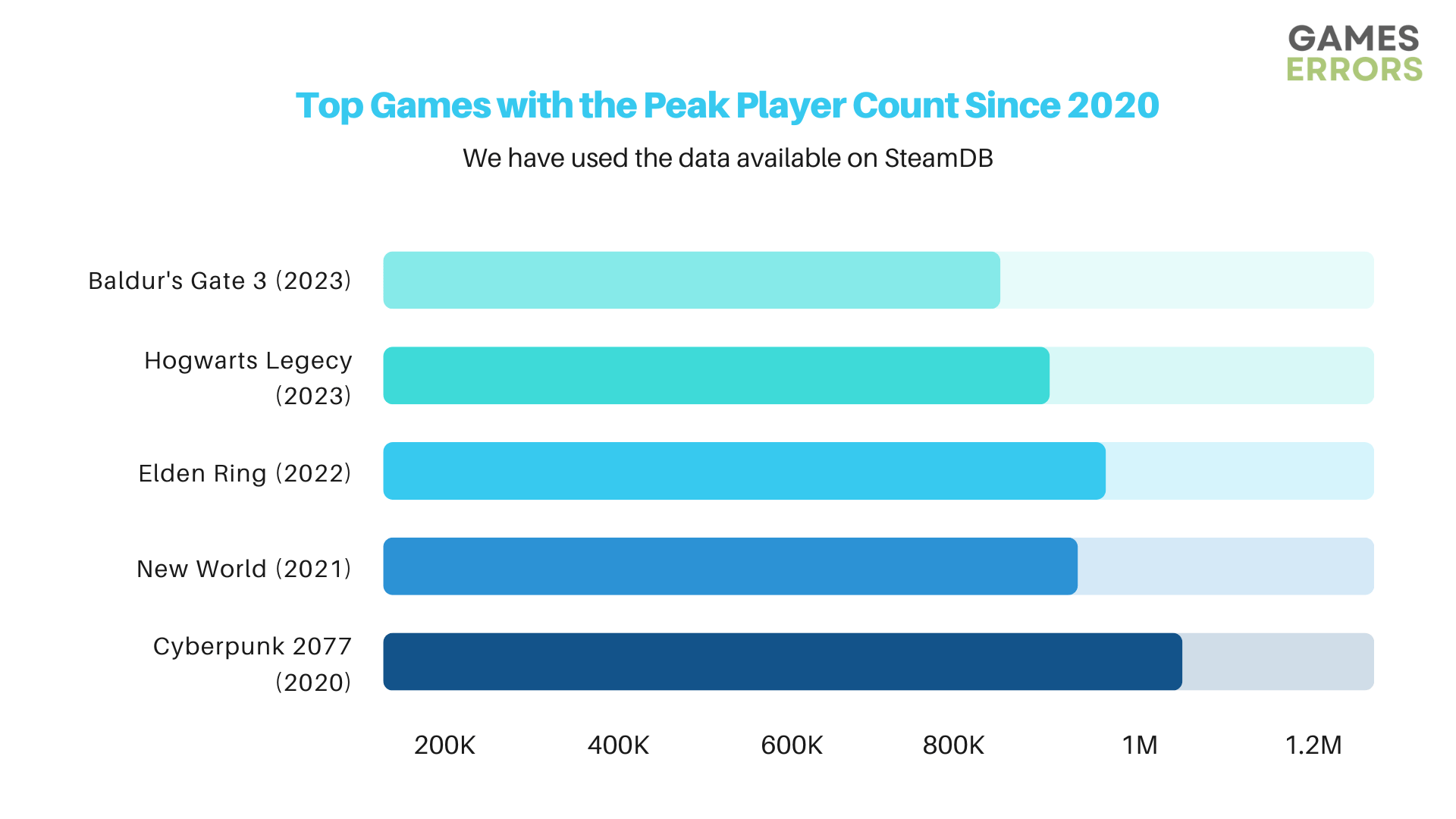
Conversely, a rapid decline in player counts shortly after launch, or a steady erosion over time, can be a red flag. It might point to issues like a lack of compelling end-game content, unaddressed performance problems (a major pain point for many gamers), or a failure to adapt to player feedback. Such trends can lead to a shrinking community, making it harder to find matches, diminishing the social experience, and potentially signalling a game that developers are no longer actively supporting. For example, a game like "Cyberpunk 2077" saw a massive initial peak, then a dip, but subsequent major updates and content like "Phantom Liberty" brought significant player count resurgence, demonstrating how developer commitment can revive a community. By tracking these trends, you can make informed predictions about a game's future viability, ensuring your valuable gaming time is spent on titles with robust, enduring communities that will continue to offer enjoyment and opportunities for connection.
Can Player Counts Help Me Find New Friends and Social Gaming Experiences?
Absolutely, Steam game player counts are an invaluable resource for discovering new friends and enhancing your social gaming experiences. For gamers who prioritize connecting with others, whether for cooperative adventures, competitive team play, or simply shared virtual spaces, an active player base is non-negotiable. High current player counts mean there are plenty of people online, ready to matchmake, join a public server, or participate in in-game events. This significantly increases your chances of encountering like-minded individuals with whom you can forge new gaming friendships. Consider games with consistently strong player numbers, such as "Valorant" or "Fortnite," which naturally foster social interaction due to their large and active communities, aligning with the 2026 trend of social gaming dominating the scene.
Furthermore, by observing which games maintain high player counts over time, you can identify titles that cultivate strong, dedicated communities. These are often the places where you'll find active Discord servers, fan-created content, and a welcoming environment for new players. Many older games, like "Team Fortress 2," continue to thrive not just on gameplay but on the strength of their enduring player communities, which are evident through their stable player statistics. For gamers balancing life and work, finding a reliable group to play with can transform solo sessions into fulfilling social events. Player counts also help in identifying games that support various social modes, from quick casual matches to more organized clan-based activities. By leveraging this data, you can strategically choose games where social interaction is abundant and community engagement is high, making it easier to build new connections and enrich your overall gaming journey. This approach ensures your gaming time is not only fun but also socially rewarding.
What About Player Count Fluctuation? When Do Games See Spikes?
Player count fluctuation is a normal and expected phenomenon for most Steam games, reflecting various real-world and in-game events. Understanding these spikes and dips helps you interpret the data more accurately and make better decisions about when to play or purchase. Games frequently experience significant player count surges during major sales events, such as the Steam Summer Sale, Winter Sale, or specific publisher discounts. These events drive new purchases and often bring back lapsed players eager to try new content or simply revisit old favorites, offering a great time for busy gamers to pick up titles on a budget. Similarly, major content updates or expansions almost always trigger a substantial spike. A game that releases a highly anticipated DLC, a new character, or a significant gameplay overhaul will naturally see a surge as both current and former players return to explore the fresh offerings, ensuring a lively experience for those who jump back in.
Other catalysts for player count spikes include free weekends or limited-time events, which lower the barrier to entry and attract a wave of new or curious players. These are excellent opportunities for you to try a game before committing, and for developers, they often convert free players into paying customers. Furthermore, influencer promotions or high-profile esports tournaments can also generate considerable interest and subsequent player count increases, reflecting the impact of streamers and competitive scenes on game popularity. For instance, a game featured prominently by a popular Twitch streamer or making headlines in an esports event will often see an immediate boost in active players. Conversely, seasonal dips during holidays when people are less likely to be gaming, or during competitive releases of other major titles, are also common. Recognizing these patterns allows you to anticipate active periods, ensuring you jump into games when the community is most vibrant, maximizing your social play and overall enjoyment.
How Do Free-to-Play Games Compare to Paid Titles in Player Counts?
Free-to-Play (F2P) games often exhibit distinct player count patterns compared to traditional paid titles, a crucial distinction for gamers looking for value and consistent engagement. F2P games, by their very nature, have a much lower barrier to entry, which typically results in significantly higher initial player counts and broader accessibility. Titles like "Warframe," "Destiny 2" (with a F2P base), or "Counter-Strike 2" consistently boast massive concurrent player numbers because anyone can download and start playing without an upfront cost. This model is incredibly attractive to budget-conscious gamers and those who enjoy trying out numerous games without financial commitment, aligning with trends that show mobile gaming and F2P models dominating broad player bases. These high player counts translate into readily available matches, vibrant social hubs, and a constant influx of new players, which are ideal for social and competitive gameplay.
However, F2P games also experience higher churn rates. While many players might try a F2P game, a smaller percentage will stick around long-term or invest in its monetization model (in-game purchases). Paid titles, on the other hand, often start with a smaller but more committed player base. The act of purchasing a game represents an initial investment and a stronger intent to play and engage long-term. Games like "Baldur's Gate 3" or "Elden Ring" might not reach the astronomical player counts of a major F2P title, but their player bases often show remarkable stability and dedication over time, reflecting a more invested community. For players who value a curated experience and a community less prone to fleeting trends, paid games can offer a more consistent social environment, albeit with fewer total players. Both models have their merits, and understanding these player count dynamics helps you choose games that best fit your desire for either massive, accessible communities or smaller, more dedicated ones.
How Can I Use Player Count Data to Avoid "Dead Games" or Server Issues?
Leveraging Steam game player count data is one of the most effective strategies to prevent the frustration of encountering "dead games" or persistent server issues, ensuring your valuable gaming time is spent efficiently. A "dead game" is typically characterized by consistently low concurrent player numbers, making it difficult or impossible to find matches in multiplayer modes, or to engage with a lively community. Before purchasing a new multiplayer title or even revisiting an older one, check its 24-hour peak and current player counts on sites like SteamCharts. If these numbers are consistently in the double or low triple digits, especially during peak gaming hours in your region, it's a strong indicator that the game's multiplayer aspects might be severely hampered, making it a poor investment for social or competitive play. This directly addresses the pain point of investing in games that quickly become unplayable due to lack of an audience.
Furthermore, player count data can indirectly signal potential server issues. While a game with consistently high player counts generally indicates robust infrastructure, sudden, drastic dips in player numbers for a usually popular game might suggest ongoing server outages or widespread technical problems that are driving players away. For example, if a major online title that normally has tens of thousands of players suddenly drops to only a few thousand, it's worth checking community forums or official social media channels for outage reports before attempting to log in. This proactive approach saves you time and frustration. By making player count analysis a routine part of your game research, you equip yourself with the knowledge to navigate the vast Steam library, confidently choosing games that offer active communities and stable environments, allowing you to maximize your enjoyment without technical headaches or empty servers. This is particularly important for US gamers who often have limited windows for gaming and value a seamless experience.
What Are the Current Trends in Steam Player Counts (2026 Insights)?
In 2026, several key trends are shaping Steam game player counts, reflecting the evolving preferences of US gamers and the broader industry landscape. One prominent trend is the continued dominance of service games and live-service models. Titles that consistently offer new content, battle passes, and seasonal events—like "Apex Legends," "Fortnite," and even single-player games evolving with expansions such as "Cyberpunk 2077"—maintain high engagement and stable player bases. These games are designed for long-term retention, appealing to gamers who prefer to invest their time in one or two evolving ecosystems rather than jumping between numerous static titles. This aligns with the desire for value for money and staying current without constant new purchases.
Another significant trend is the rise and sustained popularity of cozy and social simulation games. Fueled by streamers and a desire for stress relief, titles like "Palia" or "Stardew Valley" (which maintains a surprisingly strong player base) continue to attract a dedicated audience. These games often foster strong, positive communities, and their player counts, while perhaps not reaching competitive shooter levels, remain remarkably consistent. We're also seeing an increase in cross-play impact, where games supporting seamless integration between PC, console, and sometimes even mobile platforms see amplified player counts, broadening their reach and strengthening communities. This multi-platform approach, like that seen in "Call of Duty" or "Helldivers 2", is vital for maximizing player pools and facilitating social connections. Lastly, the influence of major gaming events and viral moments remains immense; a game can experience a massive, albeit often temporary, player count spike purely due to a popular streamer's endorsement or a sudden cultural phenomenon, highlighting the dynamic nature of game popularity in the digital age. These trends provide valuable insights for gamers looking to join active, relevant communities.
How Do Player Counts Impact Esports and Competitive Gaming Scenes?
Steam game player counts are intrinsically linked to the health and visibility of esports and competitive gaming scenes, directly influencing their longevity and appeal. For a game to sustain a vibrant esports ecosystem, it absolutely requires a large and dedicated player base. High player counts ensure a broad talent pool from which professional players can emerge, foster a robust amateur scene where new talent can hone their skills, and generate significant interest from casual players who enjoy watching top-tier competition. Without a substantial number of active players, a game's competitive scene simply cannot thrive, as there would be insufficient audience or participant engagement to justify the investment in tournaments, prize pools, or professional teams. Consider games like "Dota 2" or "Counter-Strike 2" where millions of players globally contribute to massive prize pools and spectator numbers, making their esports scenes some of the most lucrative and watched in the world.
The correlation between player counts and esports success also extends to game visibility and developer investment. Games with consistently high player numbers are more likely to attract sponsorship, media attention, and continued financial backing from developers for organized play. This creates a virtuous cycle: a thriving player base supports a strong esports scene, which in turn generates excitement and draws in even more players, further boosting the game's overall popularity. For gamers interested in competitive play, knowing a game's player count history can indicate its potential for a long-term, stable competitive environment. If a game’s player base is shrinking, its esports future is likely in jeopardy, which can be a significant deterrent for aspiring competitors or fans. Conversely, a game with growing or stable numbers offers a promising landscape for competitive engagement, skill-building, and potential pathways into professional play, which is a powerful motivator for many dedicated US gamers.
Navigating the vast world of Steam games as a busy adult gamer can be challenging, but by leveraging Steam game player counts, you gain a powerful advantage. This guide has shown you how these crucial numbers are more than just statistics; they are direct indicators of a game's community health, potential for social interaction, and overall long-term value. From making informed purchasing decisions to ensuring you always find active matches and avoid disappointing "dead games," understanding player count dynamics empowers you to optimize your precious gaming time. Remember, whether you're seeking intense competition, relaxing co-op, or just a lively virtual space, the numbers don't lie. They provide objective insight, helping you cut through the hype and focus on what truly matters: an engaging, active, and rewarding gaming experience that fits seamlessly into your life.
What's your biggest gaming challenge when picking a new game? Comment below and share your strategies!
FAQ: Steam Game Player Counts
Q: Where is the most accurate place to check live Steam player counts?
A: The most accurate real-time data for Steam player counts can typically be found on third-party tracking sites like SteamCharts or SteamDB, which aggregate data directly from Steam's API, offering current and historical statistics.
Q: Do Steam player counts include players from other platforms (cross-play)?
A: No, Steam player counts exclusively reflect users playing the game specifically through the Steam platform. If a game supports cross-play with consoles or other PC launchers, those players are not included in Steam's reported figures.
Q: How often are Steam player count statistics updated?
A: Most tracking websites update Steam player counts frequently, often every minute or every few minutes, providing near real-time data. This allows you to monitor fluctuations throughout the day.
Q: Is there an official Steam page for player statistics?
A: Yes, Steam does have an official statistics page (often called "Steam & Game Stats") which shows top games by current players and other market trends, though third-party sites often provide more granular game-specific historical data.
Q: What is a "good" player count for a multiplayer game?
A: A "good" player count is subjective and depends on the game and genre. For major competitive titles, tens of thousands or hundreds of thousands are ideal. For niche or indie multiplayer games, a consistent few hundred to a couple thousand can still support a healthy community and quick matchmaking.
Q: Can player counts be manipulated or faked?
A: While some instances of "player farming" or bot usage have occurred historically, Steam's robust systems and the public nature of API data make widespread, sustained manipulation of official player counts difficult for popular tracking sites. Always cross-reference data sources if suspicious.
Discover active game communities easily. Make informed purchasing decisions. Optimize social and multiplayer experiences. Identify trending games without the hype. Understand a game's long-term health. Maximize value for your gaming investment.
35


Steam Concurrent Player Statistics 2026 Icon Era Statistics Steam Concurrent Player Records 2026 . Marathon Il Dato Che Preoccupa Bungie Dopo Una Settimana Dal Lancio Marathon Player Count Steam Bungie . Steam Concurrent Player Records 2026 Updated Steam Concurrent Player Records . Highguard Steam Player Count January 2026 Gigletter Blog Pic 1280x720 3 2 . Arc Raiders Player Count January 2026 Beebom Arc Raiders Steamdb Player Count



These Games Are Dominating Steam Sales And Player Counts ChatGPT Image Jan 3 2026 09 33 27 AM . January 2026 S Top Selling New Steam Games Revealed 08418405 04a2 47eb B48b 1500x843 . How To See Player Count Of Any Game On Steam 2026 Step By Step YouTube . Marathon Player Count Fails To Top ARC Raiders Should We Be Worried Screenshot 2026 03 09 At 11 30 31 6789594 . The Most Played Games On Steam For 2026 So Far Cheat Code Central Most Played Games Steam 2026 2048x1167

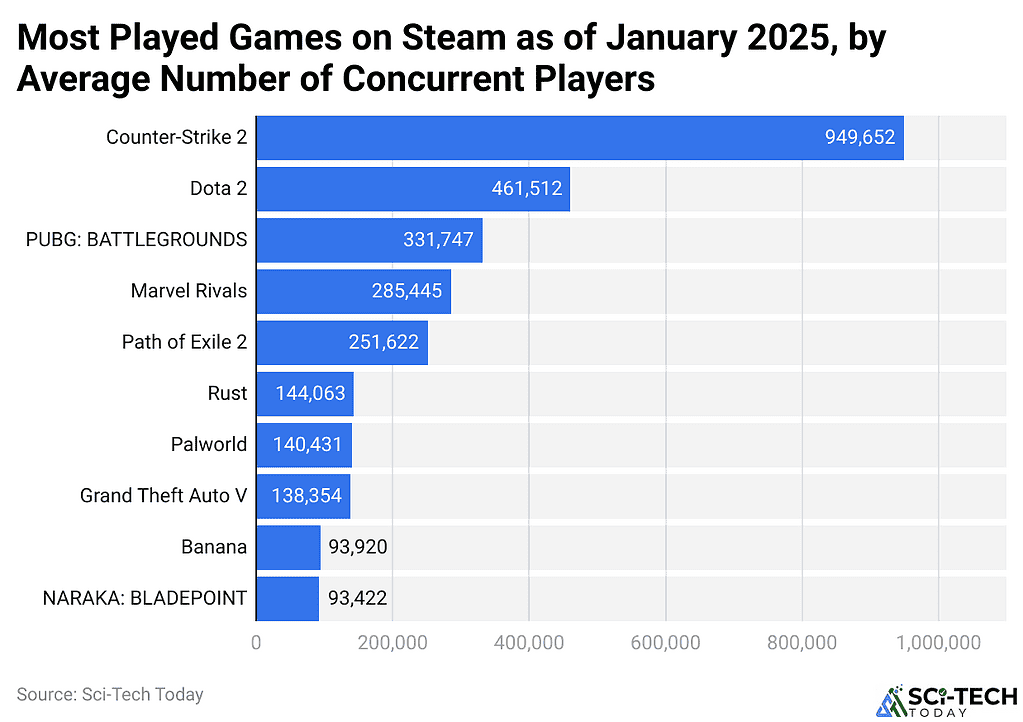
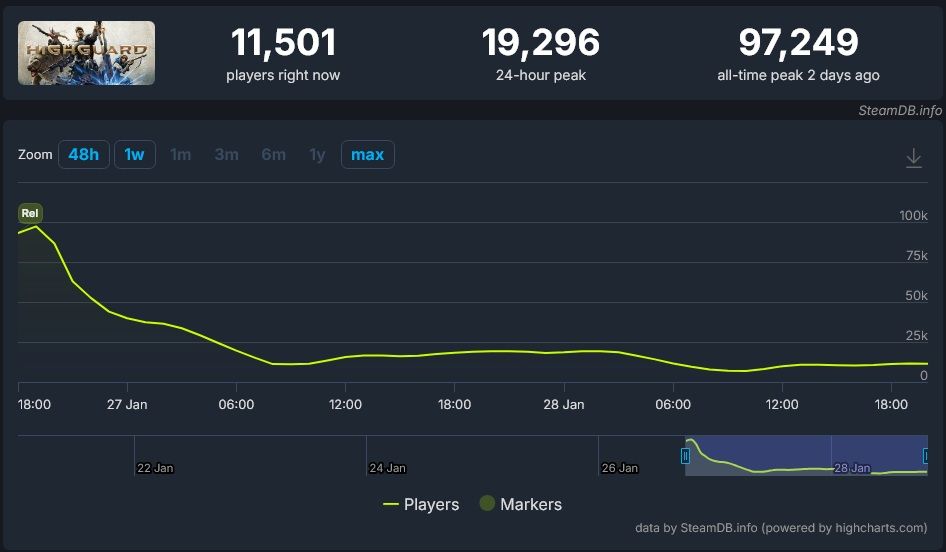
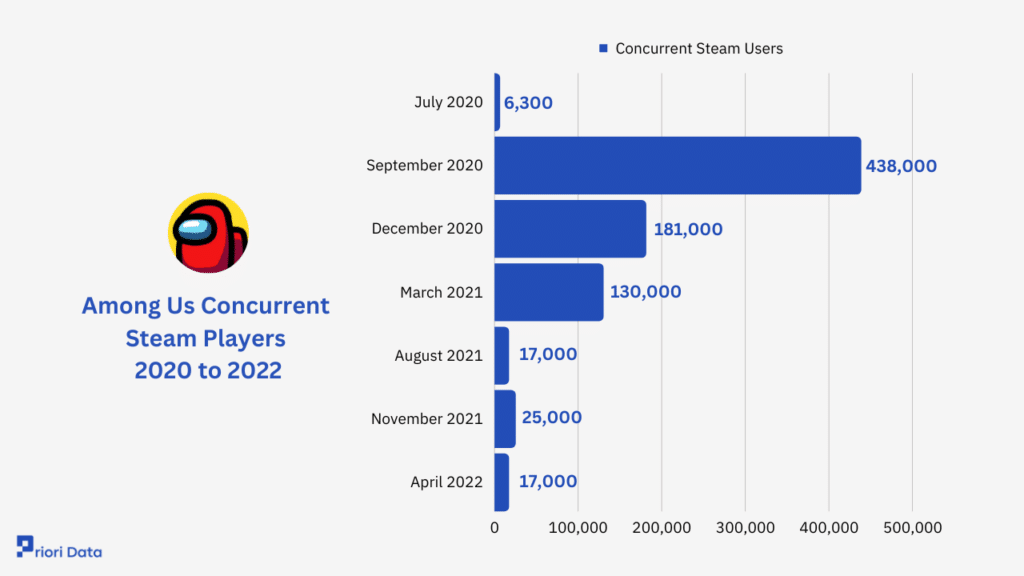
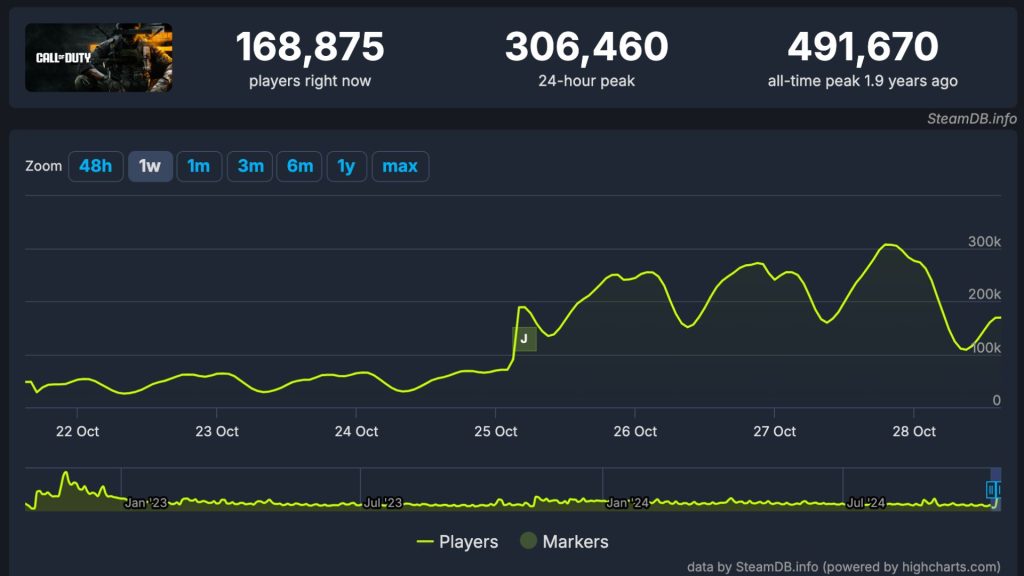
Steam Rings In 2026 By Breaking Player Count Records Once Again Steam Player Count Records January 2026 Storefront . Steam Statistics And Facts 2025 ItBhS Most Played Games On Steam As Of January 2025 By Average Number Of Concurrent Players 1024x722 . Highguard S Player Count Has Already Plummeted By 80 Highguard Steam Player Count Chart . Among Us Player Count Net Worth Stats 2026 Priori Data Among Us Concurrent Steam Users 1024x576 . Xbox Player Count Xbox Statistics 2025 BTMPSP Call Of Duty Black Ops 6 Steamdb Player Count 1024x576
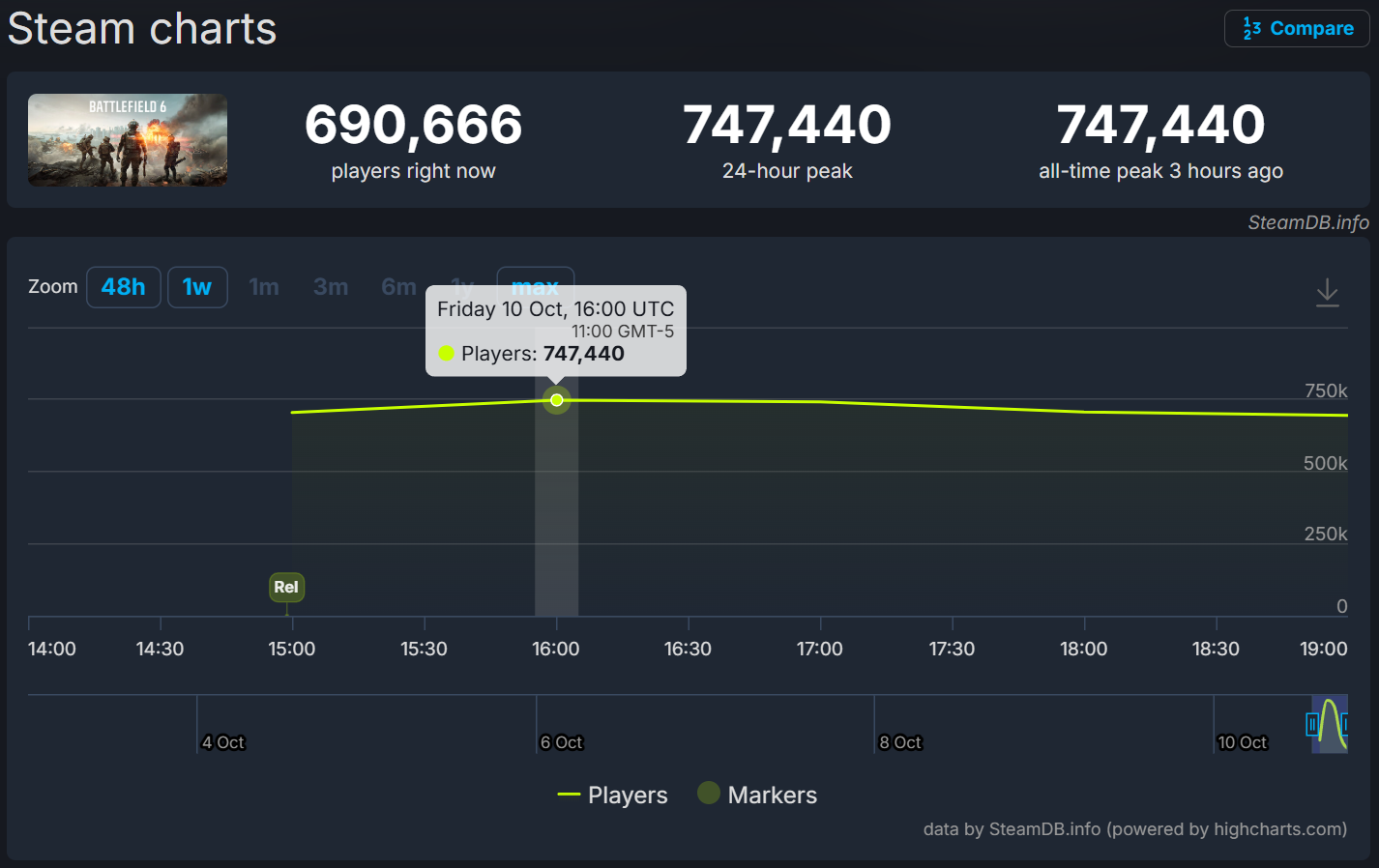

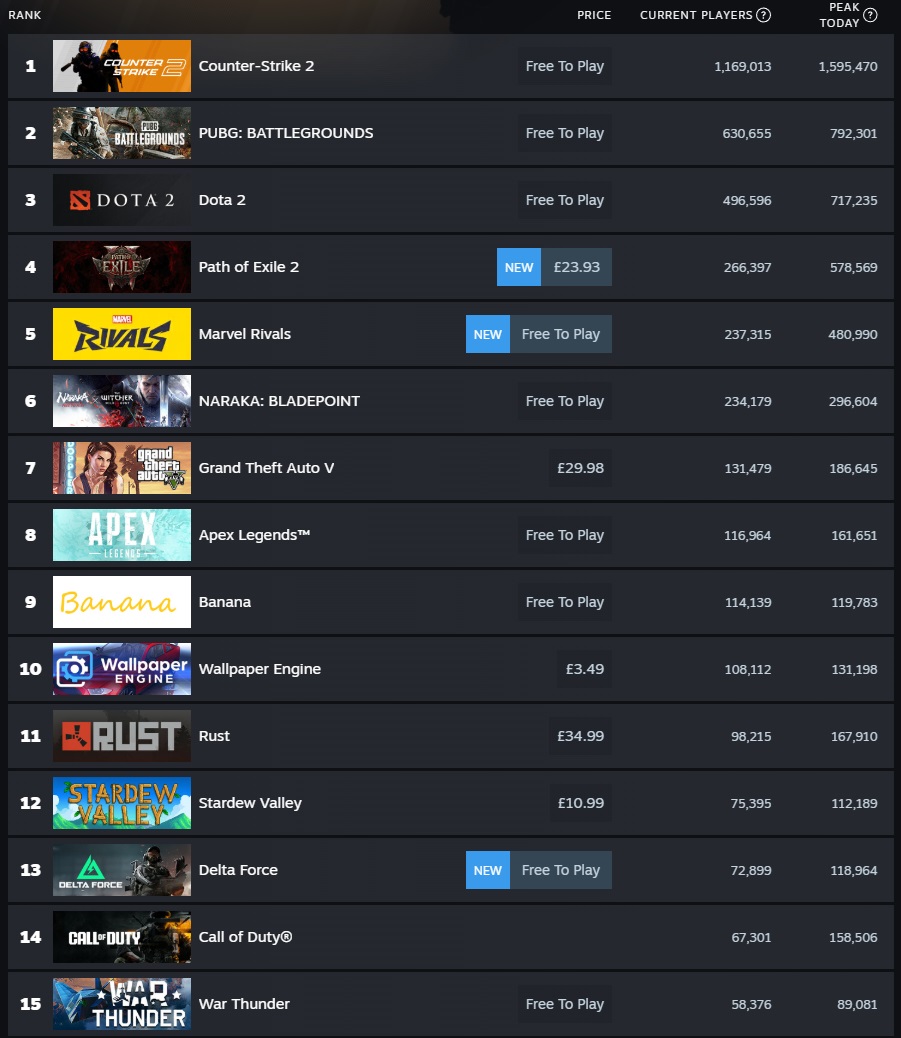
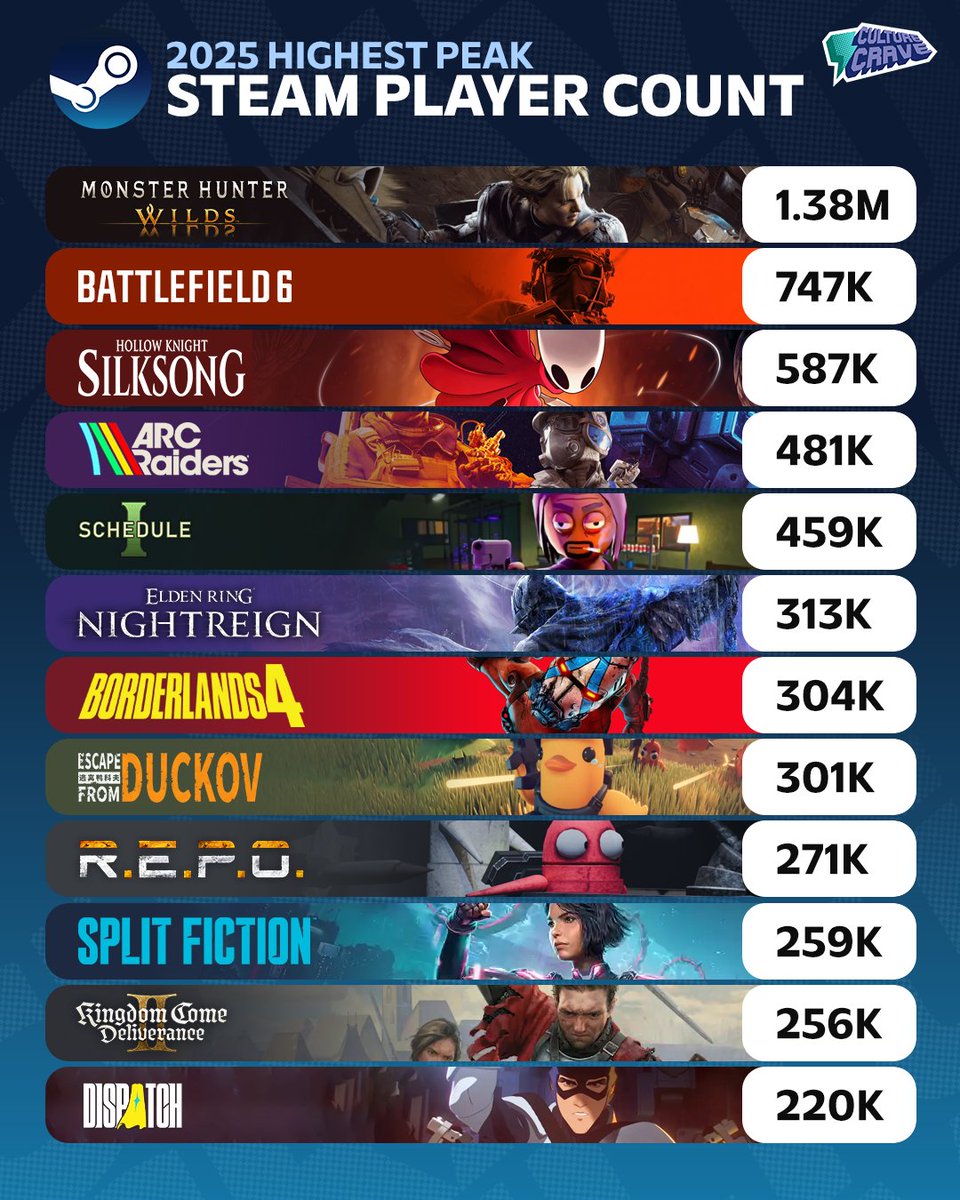

Battlefield 6 Peaks At 747 000 Concurrent Players Newly Launched Game . Steam Statistics 2025 Users Revenue Market Share Number Of Steam Active Players 2048x1071 . Steam Sets A New Record With Over 39 Million Concurrent Players OC3D Steam Player Counts . Highest Peak Steam Player Counts For 2025 Games G5 . How To Check Any Steam Game Player Count YouTube
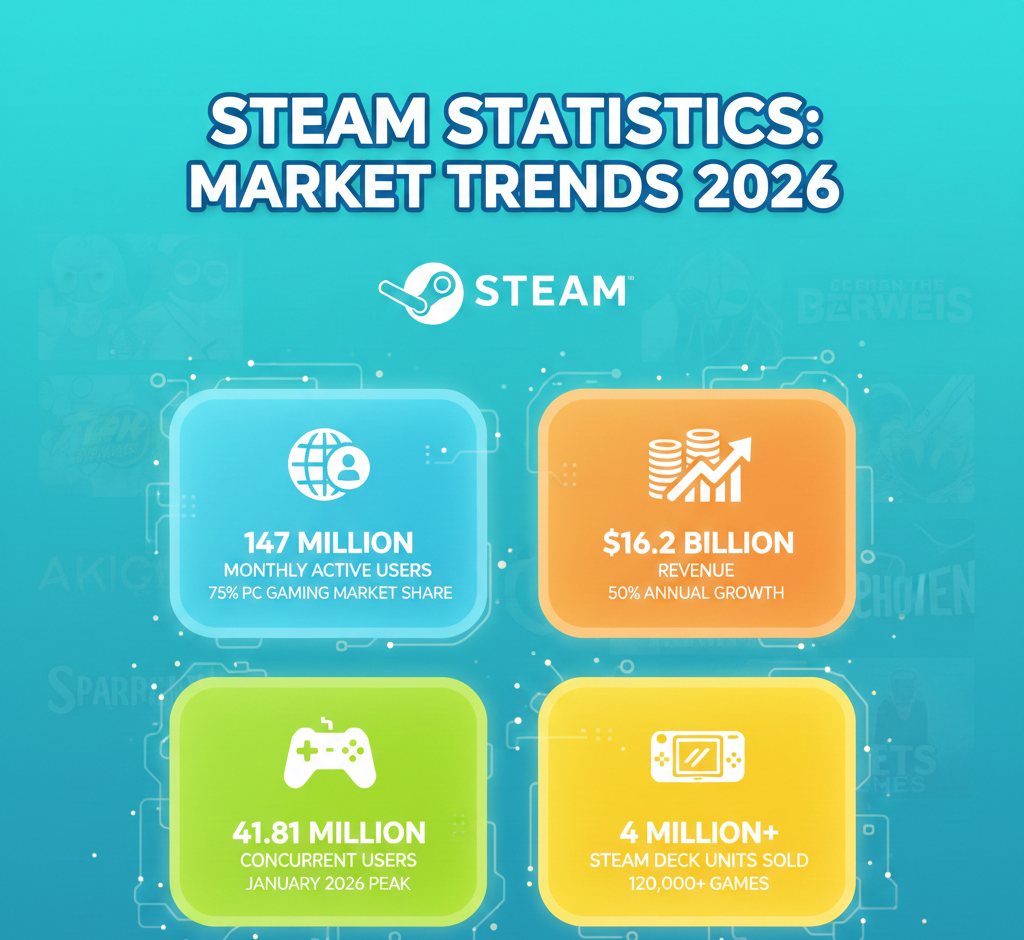

Steam Statistics Market Trends 2026 Icon Era Statistics Steam Statistics Market Trends 2026 . Call Of Duty Black Ops 7 Steam Player Count Massively Trails Csm De8df2ad58 . Steam S 10 Most Played Games Of All Time SQPSDH Top 20 Most Played Steam Games . Cyberpunk 2077 Revenue And Player Statistics 2022 Mobile Marketing Steam Most Played Games Peak Concurrent Player . BG3 Hits 800 000 Players Becoming 2023 S Second Biggest Steam Launch Steam Games With Highest Peak Players Released Since 2020 Graph
How Many People Play CS2 In 2024 CS2 Live Player Count And Stats . Road To Vostok Player Count On Steam How Many Are Playing Right Now 23fce 1920 . Destiny 2 S Player Count Hits All Time Low Destiny 2 Steam Average Player Count . Steam Statistics 2026 Player Counts Revenue Trends KeyGroup Photo. Soccer Manager 2026 Steam Charts Live Player Count Share


Steam Users Revenue 2024 Daily Monthly Active User Stats Steam Active Players 2024.webp. Cyberpunk 2077 Gains More Active Players Than Starfield On Steam After Steam Player Count 1024x576 . Overwatch 2 Stadium Launch Sees Steam Player Count Spike Overnight Overwatch 2 Stadium Season 16 Release Steam Player Count Spike . The Top 2026 Games By Steam Wishlists By Rhys Elliott Fc2aa87f 2277 4294 9e7b 1920x1080 . Steam Statistics By Release Sale Usage And Facts 2025 Number Of Games Released On Steam Worldwide From 2004 To 2024 Ytd 1536x809